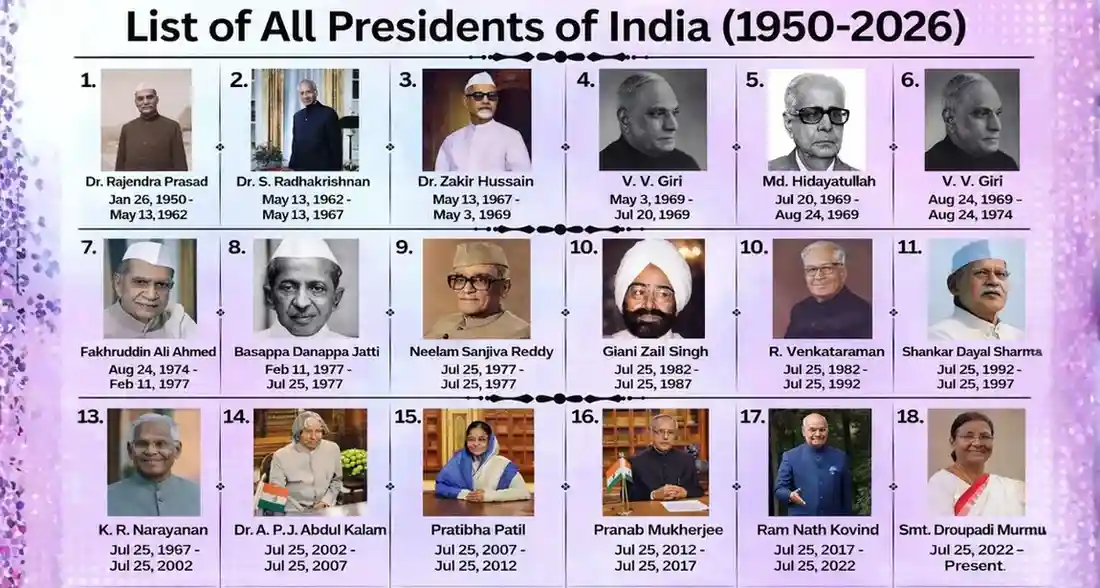

In this article, we will briefly discuss all the Presidents of India and share some important points on this topic. The President is the ceremonial head of state of a country. In India, the President is regarded as the “first citizen” and the supreme head of state, representing the unity and integrity of the nation. He/she performs many functions like passing laws by signing them, appointing leaders, being the supreme commander, granting pardons, and exercising emergency powers, etc.
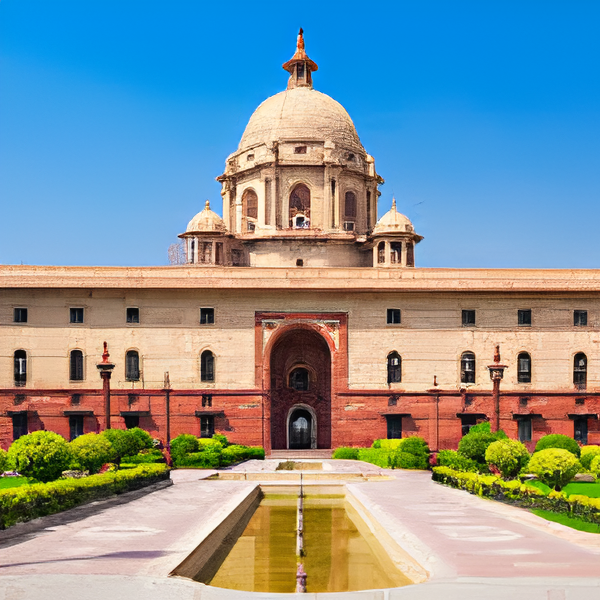
How the President of India is Elected
The president is not elected or selected by the citizens; rather, an “Electoral College” votes for them. Only elected members of Parliament (MPs) and elected members of state legislative assemblies (MLAs) can vote. This is called “proportional representation by means of the single transferable vote”. Voters don’t just choose one person; they list candidates in order of preference (first choice, second choice, etc.). The President’s term is 5 years, and he can be re-elected through the same process.
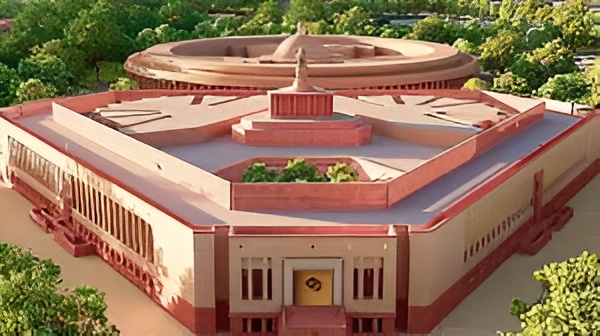
Eligibility Conditions for the President of India
Some of the eligibility conditions for the post of President are that he should be a citizen of India, should be at least 35 years of age, should be eligible to become a member of the Lok Sabha (lower house of Parliament), and should not hold any kind of “office of profit” (salaried government job).
Duties and Powers of the President of India
His work for the citizens, such as not making laws against the fundamental rights of the citizens, always selecting the most suitable person as the President to lead the country, and preventing anarchy. The President often addresses the nation during festivals and national days, highlighting the country’s progress and addressing social issues. The President is the final authority who can show mercy or commute the sentence as the last appeal to justice.
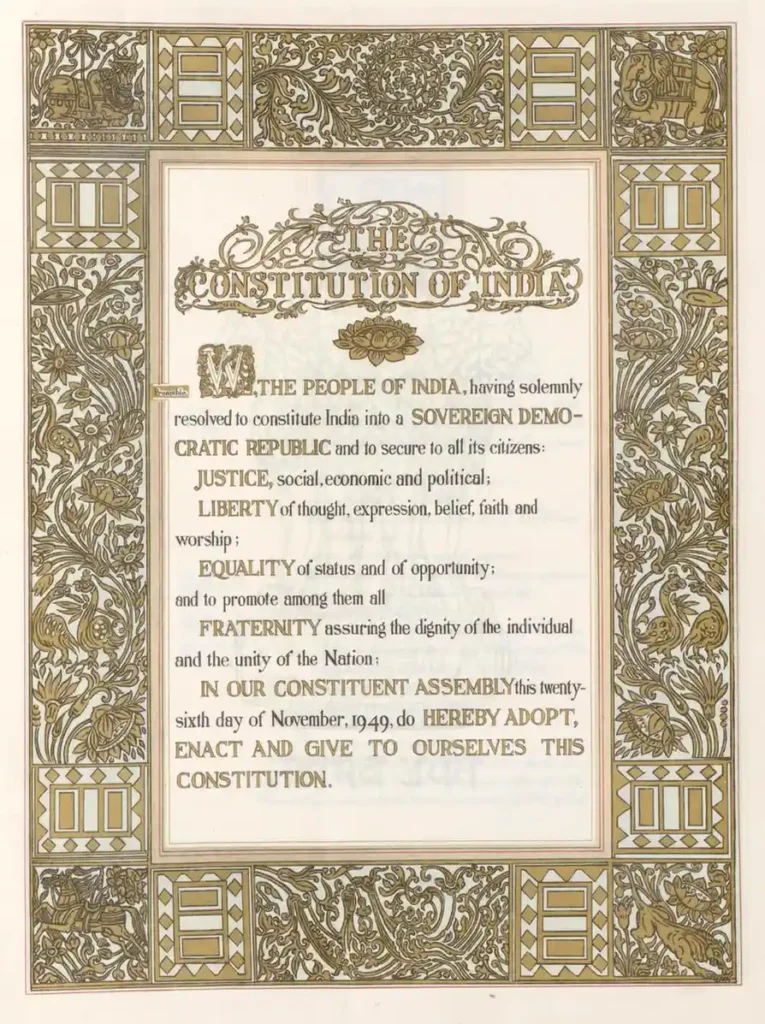
List of all the Presidents of India
| No. | President Name | Term / Tenure |
|---|---|---|
| 1 | Dr. Rajendra Prasad | 26 January 1950 – 13 May 1962 |
| 2 | Dr. S. Radhakrishnan | 13 May 1962 – 13 May 1967 |
| 3 | Dr. Zakir Husain | 13 May 1967 – 13 May 1969 |
| — | V. V. Giri (Acting President) | 13 May 1969 – 20 July 1969 |
| — | Mohammad Hidetullah (Acting President) | 20 July 1969 – 24 August 1969 |
| 4 | V. V. Giri | 24 August 1969 – 24 August 1974 |
| 5 | Fakhruddin Ali Ahmed | 24 August 1974 – 11 February 1977 |
| — | Basappa Danappa Jatti (Acting President) | 11 February 1977 – 24 July 1977 |
| 6 | Neelam Sanjiva Reddy | 25 July 1977 – 25 July 1982 |
| 7 | Giani Zail Singh | 25 July 1982 – 25 July 1987 |
| 8 | R. Venkataraman | 25 July 1987 – 25 July 1992 |
| 9 | Dr. Shankar Dayal Sharma | 25 July 1992 – 25 July 1997 |
| 10 | K. R. Narayanan | 25 July 1997 – 25 July 2002 |
| 11 | Dr. A.P.J. Abdul Kalam | 25 July 2002 – 25 July 2007 |
| 12 | Pratibha Patil | 25 July 2007 – 25 July 2012 |
| 13 | Pranab Mukherjee | 25 July 2012 – 25 July 2017 |
| 14 | Ram Nath Kovind | 25 July 2017 – 25 July 2022 |
| 15 | Droupadi Murmu | 25 July 2022 – 25 July 2027 |
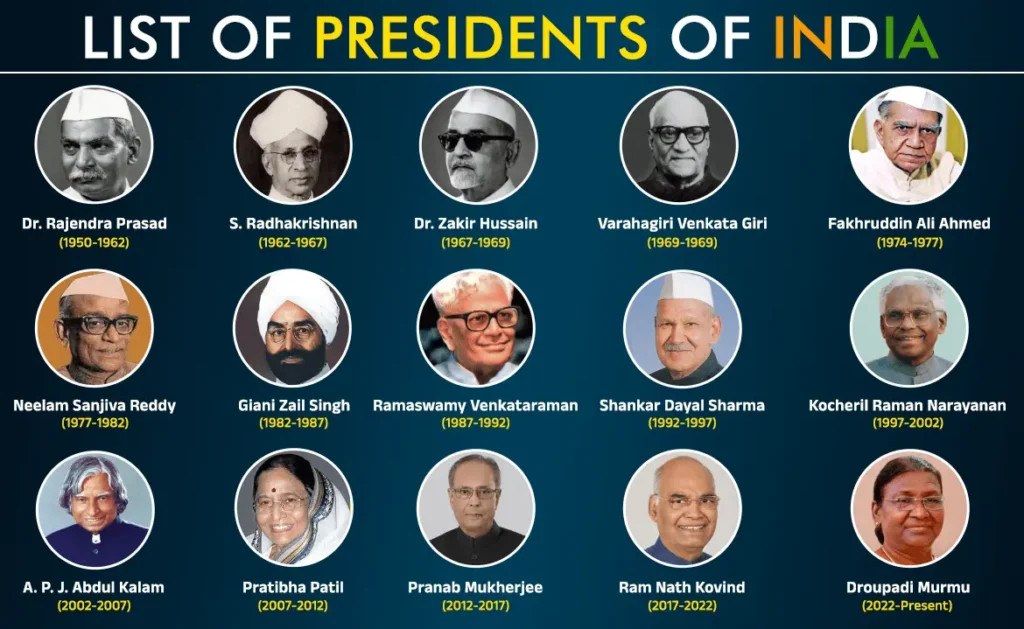
Dr. Rajendra Prasad (First President of India)
Dr. Rajendra Prasad was the first president of India. His working duration was 26 January 1950 to 13 May 1962, and having the longest-serving president. He was the first synchronous President of the Constituent Assembly, and he unfurled the flag on 26 January 1950 at the Irwin Amphitheatre Stadium (Presently known as Major Dhyanchand Stadium) located in New Delhi. He was the only one who served as President of India twice. Before being the President, he served as the Food and Agriculture Minister of India. He died on 28 February 1963 at the Sadaqat Ashram in Patna, Bihar.
- Born on December 3, 1884, in Ziradei, Bihar.
- He studied at the University of Calcutta and was famously praised by an examiner who wrote on his answer sheet, “The examinee is better than the examiner
- He held an M.A. in Economics and a Doctorate in Law. He was fluent in several languages, including Hindi, Persian, Sanskrit, and English.
- His literary works include his nobles: Atmakatha (his autobiography, 1946), India Divided (1946), Satyagraha in Champaran (1922), Mahatma Gandhi and Bihar, Some Reminiscences.
- He got the title of “Agyatshatru” from Mahatma Gandhi and “Deshratna” by the Bihar Government.
- He was awarded the Bharat Ratna in 1962 following his retirement from the presidency.
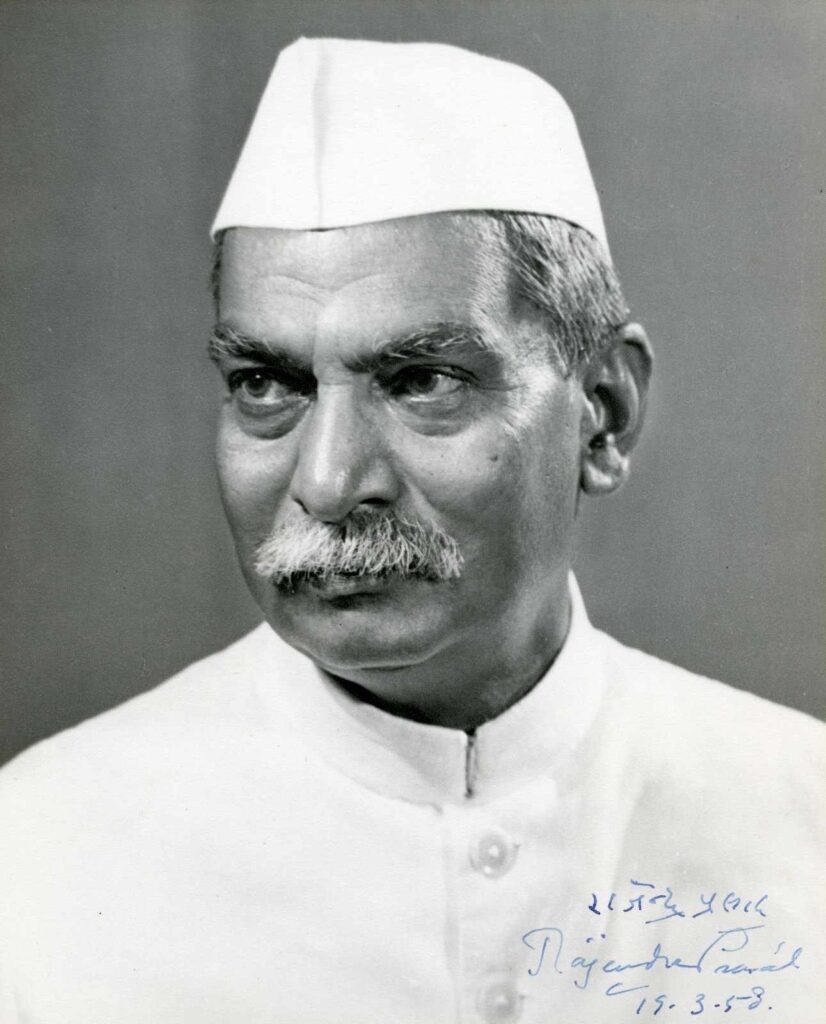
Dr. Sarvpalli Radhakrishna (Second President of India)
Dr. Sarvpalli Radhakrishna was the second President of India, and his term of office was 13 May 1962 to 13 May 1967. He was known as the renowned philosopher, and his birth date was 5 September 1988. His birthday is celebrated as Teacher’s Day. He died on 17 April 1975 in Chennai, Tamil Nadu.
- He received the Bharat Ratna in 1954, Knightwood by the British Crown in 1931, and the British Royal Order of Merit in 1963.
- He also served as the first Vice President of India (1952–1962)
- He led the Indian delegation to UNESCO (1946–1952) and served as its President in 1952.
- He was working as India’s Ambassador to the Soviet Union (1949–1952)
- His notable books include Indian Philosophy (Volumes I and II), The Hindu View of Life, An Idealist View of Life, and The Philosophy of Rabindranath Tagore.
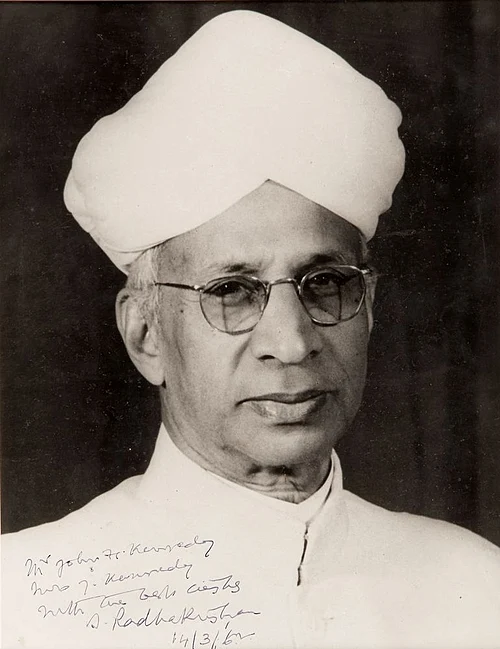
Zakir Husain (Third President of India)
Zakir Husain was the third President of India and the first Muslim president. His serving period was 13 May 1967 to 13 May 1969. He was the first one to die during his term on 13 May 1969 in New Delhi, marking the shortest-serving president. Before being the president, he was the Vice President of India (1962–1967) and the Governor of Bihar (1957–1962). He also served as a nominated member of the Rajya Sabha.
- He received the Bharat Ratna in 1963 and the Padma Vibhushan in 1954.
- He was the co-founder of Jamia Milia Islamia
- Served as Vice-Chancellor for 22 years (1926–1948) at the National Muslim University during a period of extreme financial hardship.
- He chaired the National Committee on Basic Education in 1937
- He served on the Executive Board of UNESCO (1956–1958) and was the World President of the World University Service.
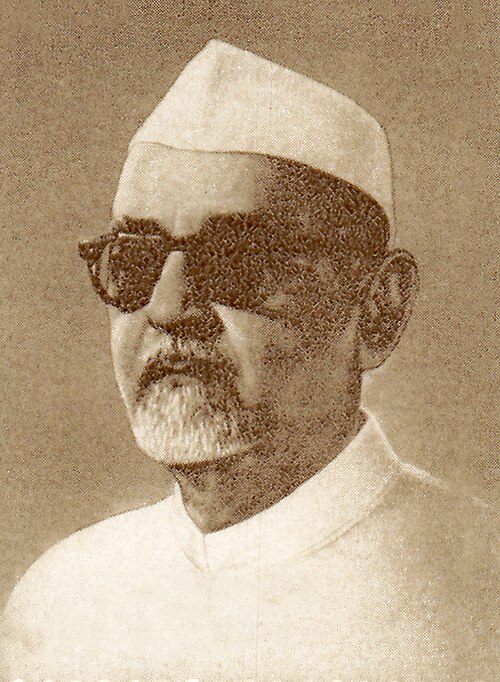
Acting President Update After Zakir Husain’s Death
Let’s know some facts about this situation:
After Zakir Husain’s death, the post of President was vacant. Then, V.V. Giri was chosen as the first Acting President, and he served from 13 May 1969 to 20 July 1969.
Note: V.V. Giri was the Vice President and chosen for the President due to the sudden death of Zakir Husain, but V.V. Giri also resigned from his post of Vice President, and then both the posts of President and Vice President were vacant.
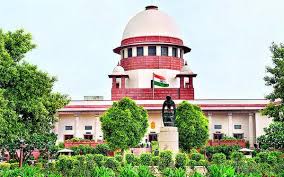
After this situation, Mohammad Hidetullah became the acting president of India from 20 July 1969 to 24 August 1969. He was the Chief Justice of India at that time. According to our constitution, if in any emergency the post of President becomes vacant, then the Vice President becomes the President, but at this time, both posts became vacant. Then the continuation says the CJI of India became the President of India.
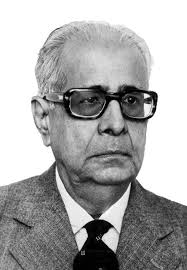
Note: Mohammed Hidaetullah was the only one who served as President, Vice President, and Chief Justice of India.
V. V. Giri (4th President of India)
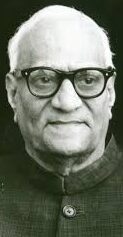
On 24 August 1969, V.V. Giri became the 4th President of India, and his tenure lasted until 24 August 1974. He was the only one in Indian history who was elected as an Independent candidate and was a former trade union leader. Best known as the “Labour President” due to his lifelong commitment to workers’ rights and his historic election as an independent candidate. He died on 24 June 1980 in Chennai, Tamil Nadu.
- Born on 10 August 1894 in Berhampur (Odisha) into a Telugu-speaking family.
- He received the Bharat Ratna in 1975.
- The subsequent creation of Bangladesh was done in his tenure, and the Indo-Pak War of 1971.
- He served as India’s first High Commissioner to Ceylon (now Sri Lanka) from 1947 to 1951.
- served as the Governor of three major states: Uttar Pradesh, Kerala, and Karnataka (then Mysore).
Fukruddin Ali Ahmed (5th President of India)
Fukruddin Ali Ahmed was the fifth President of India, and he served from 24 August 1974 to 11 February 1977. The emergency was declared during his service time period on the midnight of June 25 1975 under article 352 of the Constitution on the advise of Prime Minister Indira Gandhi.
- He was the second who died in his term due to attack in the Rashtrapati Bhavan.
- Born on May 13, 1905, in Delhi, his family had deep connections to Assam.
- Completed his studies at St. Stephen’s College, Delhi, and later at St Catharine’s College, Cambridge, UK.
- He was a member of Indian National Congress joined in 1931
- He was arrested during the Quit India Movement (1942) and spent nearly three and a half years in prison.
- served as the Finance and Revenue Minister of Assam (1938–39)
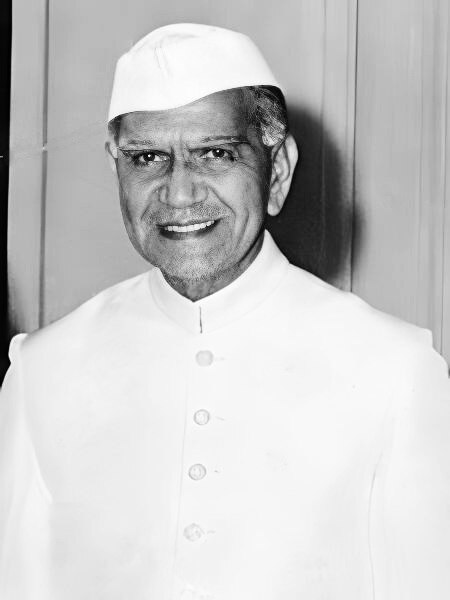
Note: After his sudden death, Basappa Danappa Jatti was the third acting President of India served from 11 February 1977 to 24 July 1977.
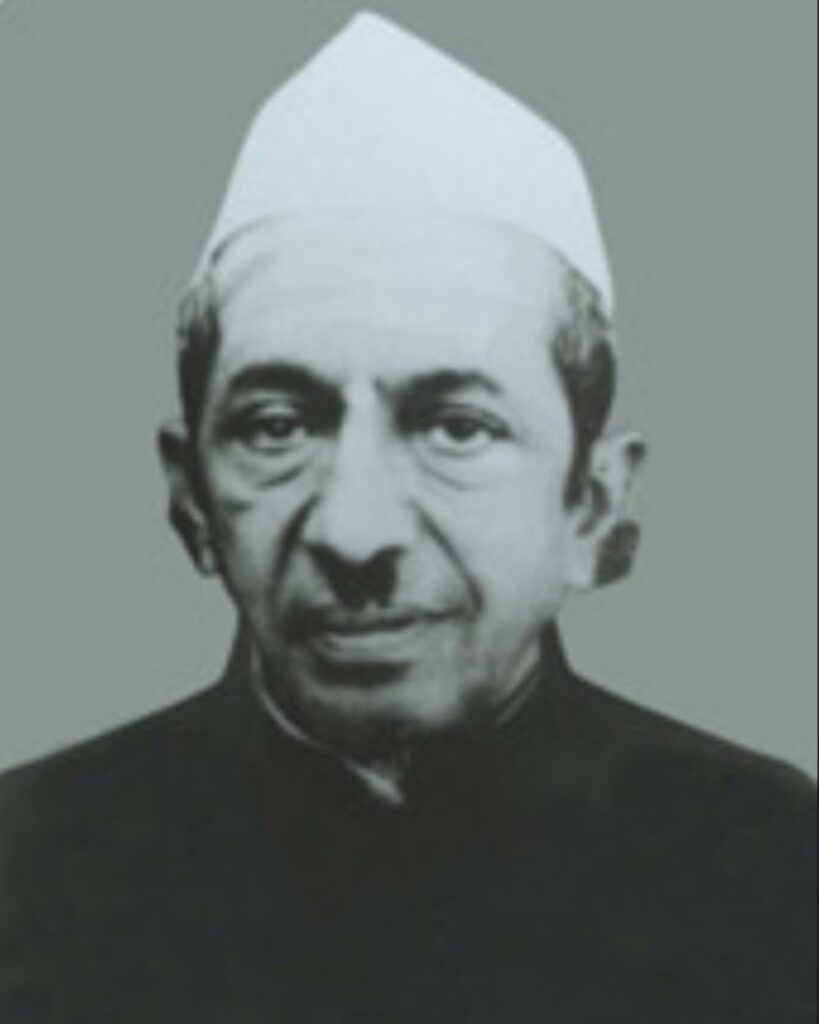
Neelam Sanjiva Reddy (6th President of India)
Neelam Sanjiva Reddy was the sixth President of India, and his term of office was 25 July 1977 to 25 July 1982. He was the first non-congressional and was the only president to be elected unopposed. He was the 6th chairman of LokSabha. He passed away on 1 June 1996.
- Born on May 19, 1913, in Anantapur, Andhra Pradesh.
- served as the Speaker of the Lok Sabha twice (1967–1969 and 1977), and he was the first to formally resign from his political party (Congress) to maintain the neutrality and independence of the Speaker’s office in independent India.
- He was the first Chief Minister of United Andhra Pradesh.
- served as President during a turbulent political period, working with three different Prime Ministers: Morarji Desai, Charan Singh, and Indira Gandhi.
- The youngest President at the time of taking office at the age of 64.
- He was a veteran of the Quit India Movement (1942) and spent several years in jails with various leaders like T. Prakasam and V.V. Giri.
- His notable book, Without Fear or Favour: Reminiscences and Reflections of a President.
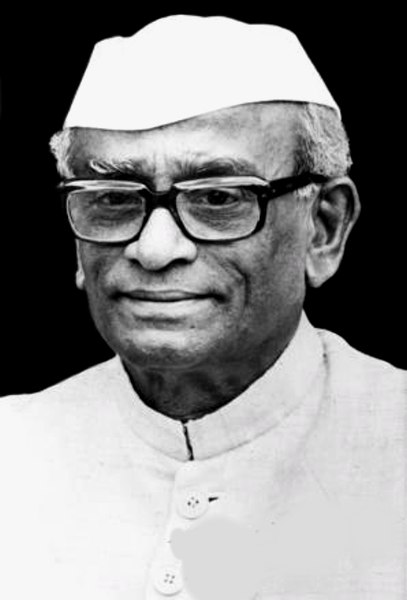
Giani Zail Singh (7th President of India)
Giani Zail Singh was the seventh President of India, and his tenure was from 25 July 1982 to 25 July 1987. He was the first Sikh President and is particularly known for exercising the pocket veto on the Indian Post Office Bill in 1986 during Operation Blue Star in 1984. He was born as Jarnail Singh but he was titled as Giani, which means “Learned Man.” He died on 25 December 1994 due to a road accident.
- Belongs to a backward caste (Ramgarhia)
- A major operation happened during his tenure: Operation Blue Star (1984)
- He ensured the transition of power by swift decision to appoint Rajiv Gandhi as Prime Minister after the death of Indira Gandhi
- Served as the Chief Minister of Punjab (1972-1977)
- served as the Union Home Minister (1980-1982)
- Best known for his Pocket Veto
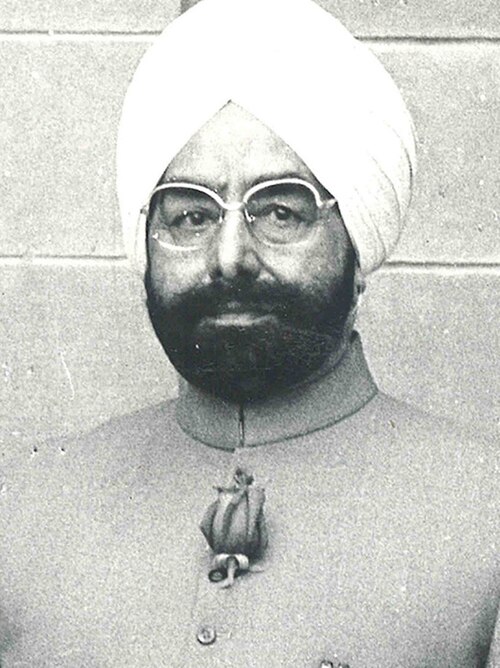
R. Venkataraman (8th President of India)
R. Venkataraman was the eighth President of India and served from 25 July 1987 to 25 July 1992. He served under several Prime Ministers and previously served as Finance and Defence Minister. He was also known as a distinguished lawyer, freedom fighter, and a popularly known as “copybook president”. He passed away on 27 January 2009 at the age of 98.
- Born on December 4, 1910, in Rajamadam, Tamil Nadu.
- first president to deal with a truly fractured mandate and he worked with four different Prime Ministers: Rajiv Gandhi, V.P. Singh, Chandra Shekhar, and P.V. Narasimha Rao.
- Served as Union Finance Minister (1980–1982), Union Defence Minister (1982–1984) and Vice President (1984–1987)
- Popularly known as “emergency light”
- During his term major crises take place such as assassination of Rajiv Gandhi in 1991, the peak of the Bofors scandal, and the 1992 Harshad Mehta stock market scam.
- He also worked as Mentor of Missile Man (A.P.J. Abdul Kalam)
- He was a veteran of the Quit India Movement and was a member of the Constituent Assembly
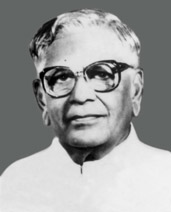
Dr. Shankar Dayal Sharma (9th President of India)
Dr. Shankar Dayal Sharma was the ninth President of India and served from 25 July 1992 to 25 July 1997. He was known for his legal expertise and upheld constitutional values during tumultuous political changes. Popular for leading the merger of Bhopal into the Indian Union. He was popular as an a veteranfreedon fighter, an acclaimed legal scholar, and a politician known for his deep respect for parliamentary traditions and the rule of law.He passed away on 26 December 1999 in New Delhi.
- He worked with various prime ministers including P.V. Narasimha Rao, Atal Bihari Vajpayee (during the famous 13-day government), H.D. Deve Gowda, and I.K. Gujral.
- He was the youngest Chief Miniter of Bhopal State at the age of 34 in 1952.
- Served as the president of the Indian National Congress (AICC) from 1972 to 1974.
- Served as the Union Minister for Communications (1974–1977) in Indira Gandhi’s government.
- Served as the Governor of three Andhra Pradesh (1984–85), Punjab (1985–86), and Maharashtra (1986–87).
- He was a prolific writer and his notable liretacy book includes Hamari Sanskritik Dharohar (Our Cultural Heritage), Eminent Indians, Rule of Law and Role of Police, and Chetna Ke Srot
- He recieved the “Living Legends of Law Award” from the International Bar Association and was conferred the title of ‘Rashtra Ratnam’ by the Shankaracharya of Sringeri.
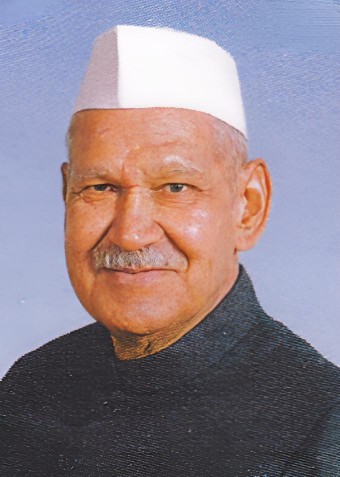
K. R. Narayanan (10th President of India)
K. R. Narayanan was the tenth President of India and served from 25 July 1997 to 25 July 2002. He was the first Dalit president and the first president to vote in a general election while in office. Known as the first Dalit to hold the office and worked as a “Working President” who asserted the constitutional powers of the presidency. He died on 9 November 2005 in New Delhi.
- Born on October 27, 1920 in Uzhavoor, Kerala, to a poor Dalit family.
- Blocked the imposition of President’s Rule (Article 356) in Uttar Pradesh (1997) and Bihar (1998), arguing that the state governments still held a majority.
- He was the first sitting President to vote in a general elections in 1998.
- He was described as “the best diplomat of the country.” by Nehru.
- Served as India’s Ambassador to several critical nations: China, Japan, UK, Thailand, and Turkey and Vietnam.

Dr. Abul Pakir Jainalabaduddin Abdul Kalam (11th President of India)
Dr. Abul Pakir Jainalabaduddin Abdul Kalam was the eleventh President of India and was known for his works over the country. He served from July 25, 2002, to July 25, 2007. He served from 25 July 2002 to 25 July 2007. He remains India’s most beloved figure, widely celebrated as the “Missile Man of India” and the “People’s President.”
- He was best known as a missile expert and the first scientist to hold the office of President.
- He was born on October 15, 1931, in Tamil Nadu in a poor Tamil Muslim family.
- He received the Padma Bhushan in 1981 for his work with ISRO and DRDO. He was awarded Padma Bhushan in 1990 for his role as a scientific advisor to the government. He was also awarded the Bharat Ratna in 1997.
- He was the founder of the International Guided Missile Development Program (IGMDP) and played a major role as the head of the Atomic Energy Commission in the Pokhran Atomic Test in 1974 and 1988
- He has written multiple books includes Wings of Fire, India 2000, Ignited Minds, and Turning Points.
- He died on 27 July 2015 while delivering a lecture to students at IIM Shillong.
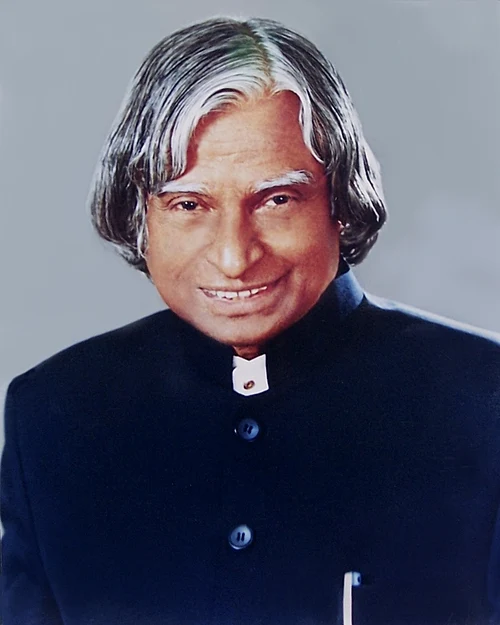
Pratibha Patil (12th President of India)
Pratibha Patil was the twelfth President of India and the first woman to hold the office from 25 July 2007 to 25 July 2012. She was the first woman to fly a Sukhoi fighter jet. She was also the first woman governor of Rajasthan and received Mexico’s highest civilian award.
- Born on December 19, 1934, in Nadgaon, Maharashtra.
- She was interested in various games and was known as an accomplished athlete, winning inter-collegiate championships in Table Tennis
- She began her political career at the early age of 27.
- Also popular for granting a record number of commutations for death sentences (35 petitions) during her tenure.
- She represented India in numerous international forums and was the first woman President to fly in a Sukhoi-30 MKI fighter jet.
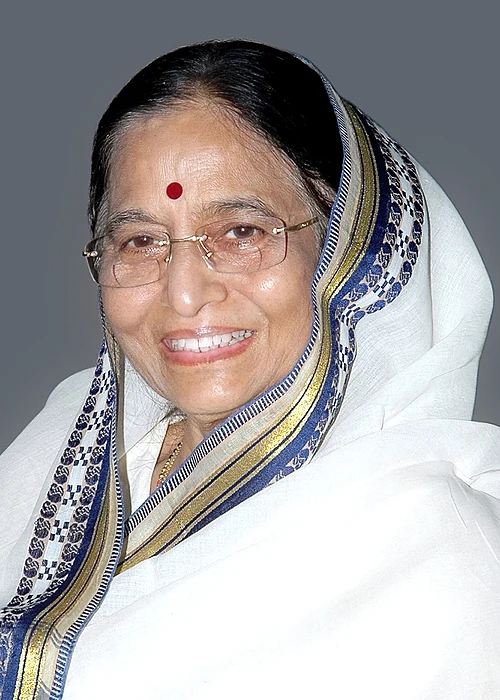
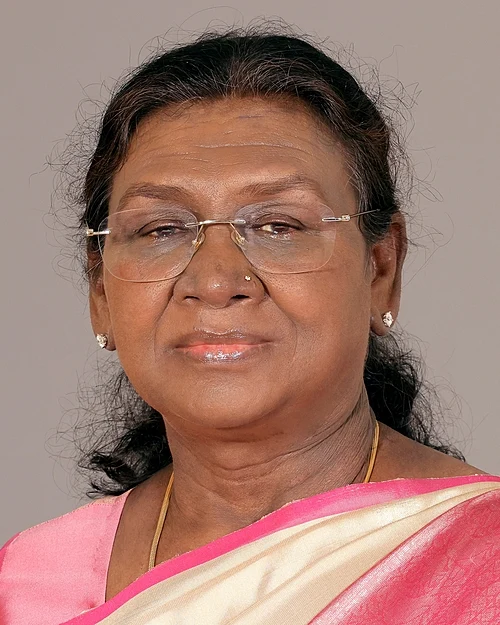
Pranab Mukherjee (13th President of India)
Pranab Mukherjee was the thirteenth President of India, serving from 25 July 2012 to 25 July 2017. He was the first Bengali politician, and he was also known as the people’s president. He was popularly known as “Poly” and “the man of all seasons” due to his political experience. He took his last breath on 31 August 2020 in Delhi, and he died due to complications from COVID-19.
- Born on 11 December 1935 in Mirati, Birbhum District, West Bengal.
- He was awarded the Padma Vibhushan in 2008 and the Bharat Ratna in 2019.
- He began his career in politics and became the 13th President of India.
- His notable literary books are The Dramatic Decade: The Indira Gandhi Years, The Turbulent Years: 1980–1996, The Coalition Years: 1996–2012, and Beyond Survival: Emerging Dimensions of the Indian Economy
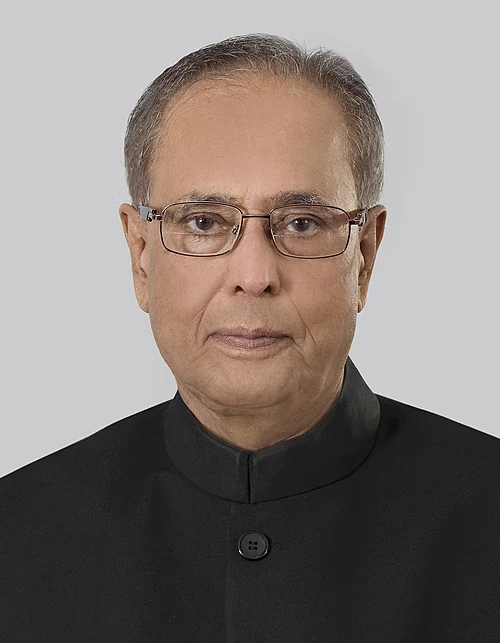
Ram Nath Kovind (14th President of India)
Ram Nath Kovind was the fourteenth President of India and the second Dalit to hold the office. He served from July 25, 2017, to July 25, 2022. He received honors for his focus on social justice and his work to empower marginalized people. He was the first leader from the Rashtriya Swayamsevak Sangh (RSS) and the second Dalit (after K.R. Narayanan) to become President.
- Born on 1 October 1945 in Paraunkh, Kanpur Dehat district, Uttar Pradesh, and belongs to a Dalit community.
- He began his political career in 1971 and has done various notable works for the country.
- He has been awarded various international awards. He was also awarded with One Nation, One Election.
- The greatest and most significant work of his tenure was the revocation of Article 370 (Jammu and Kashmir) and the Citizenship (Amendment) Act (CAA).
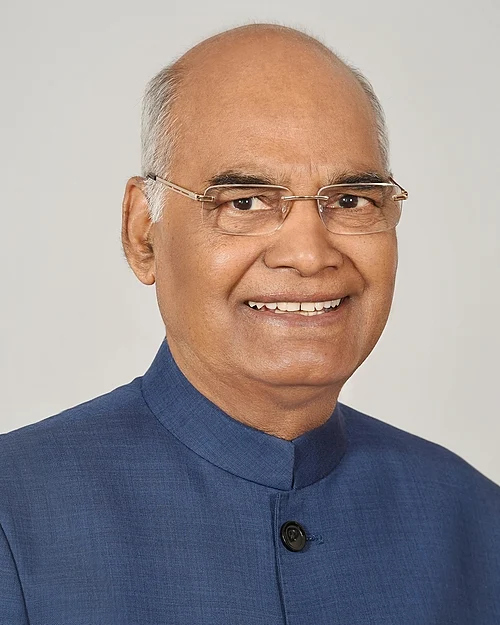
Draupadi Murmu (15th President of India)
Draupadi Murmu is the fifteenth President and currently serves as the first woman President. She is the second woman President and the first woman from a tribal background. She has been in office since July 25, 2022, and her term will last until July 25, 2027.
- She has been awarded with various awards includes both national and international.
- Born on 20 June 1958 in Uparbeda, Mayurbhanj district, Odisha, she belongs to the Santhal tribal community
- From 2007 to 2015, she lost her husband, two sons, mother, and brother.
- She began her political career in 1979 and is presently the President of India.
Presidents of India Quick Facts
| Topic | Details |
|---|---|
| First President of India | Dr. Rajendra Prasad |
| Longest-serving President | Dr. Rajendra Prasad (26 January 1950 – 13 May 1962) |
| Only President to serve twice | Dr. Rajendra Prasad |
| Second President of India | Dr. S. Radhakrishnan |
| Teacher’s Day Connection | Dr. S. Radhakrishnan (Birthday celebrated as Teacher’s Day) |
| First Muslim President of India | Dr. Zakir Husain |
| First President to die in office | Dr. Zakir Husain |
| Acting President after Zakir Husain | V. V. Giri (13 May 1969 – 20 July 1969) |
| Acting President after V. V. Giri resignation | Mohammad Hidetullah (20 July 1969 – 24 August 1969) |
| Only Independent President | V. V. Giri |
| “Labour President” | V. V. Giri |
| Emergency Declared During Presidency | Fakhruddin Ali Ahmed (June 25, 1975) |
| Acting President after Fakhruddin Ali Ahmed | Basappa Danappa Jatti (11 Feb 1977 – 24 July 1977) |
| Only President elected unopposed | Neelam Sanjiva Reddy |
| First Sikh President | Giani Zail Singh |
| Famous for Pocket Veto | Giani Zail Singh |
| First Dalit President | K. R. Narayanan |
| “People’s President” | Dr. A.P.J. Abdul Kalam |
| First Scientist President | Dr. A.P.J. Abdul Kalam |
| First Woman President | Pratibha Patil |
| Second Dalit President | Ram Nath Kovind |
| Current President of India | Droupadi Murmu |
| First Tribal Woman President | Droupadi Murmu |
| Term of Current President | 25 July 2022 – 25 July 2027 |

 By
By

 By
By
 By
By

Good for general knowledge.